Under 200ms: Architecting Real-Time Inventory & Booking Portals
Next.js SSR edge caching, regional connection pooling, and optimistic room locks for luxury hospitality.
Why Hospitality Booking Engines are notoriously Sluggish
Most independent luxury hotels and boutique resorts rely on third-party booking widgets embedded inside WordPress or Webflow pages. When an international guest visits the booking page, their browser executes 50+ third-party scripts, tracking pixels, and external iframe queries.
Mobile page loads stretch to 6 or 8 seconds. In high-end hospitality, every additional second of latency drops conversion by 12%. Guests abandon the slow direct website and return to Booking.com or Agoda, costing the hotel up to 22% in third-party commissions.
The Engineering Fix: Edge Prerendering and Supabase Realtime
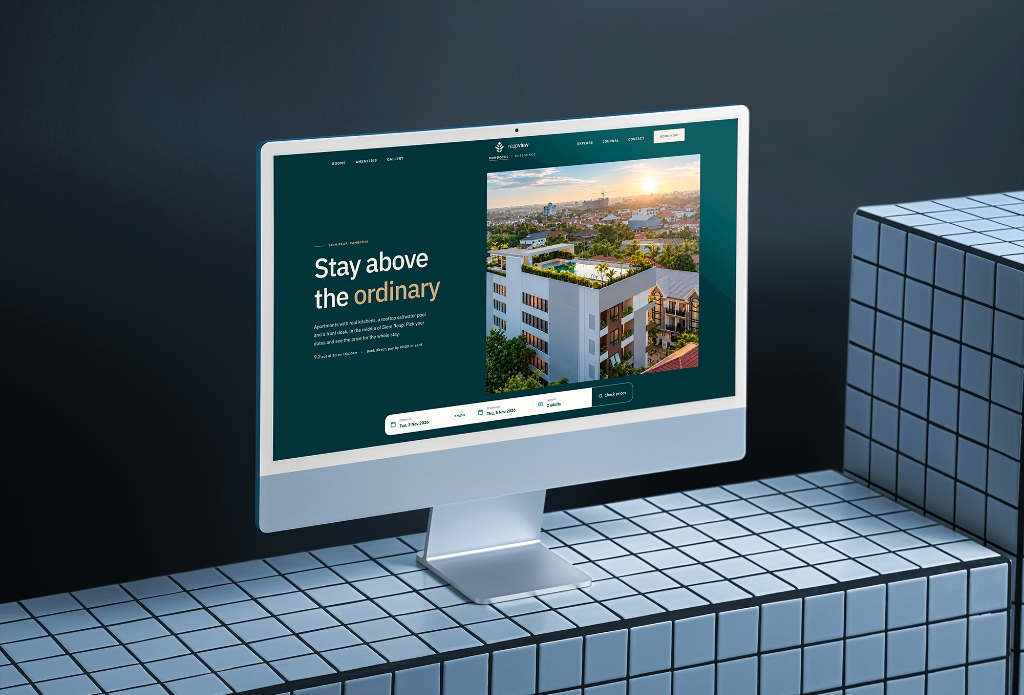
For Heritage Residence & Suites, reapview replaced the legacy booking widget with an ultra-lightweight Next.js application edge-cached on Cloudflare Workers in Singapore and Bangkok.
Static room media, floor plans, and pricing tiers are cached at regional edge nodes within 15ms of Southeast Asian travelers. Room availability calendars synchronize using Supabase Realtime WebSocket channels.
PostgreSQL stored procedures ensure room holds are atomic, preventing double-bookings even during high-traffic promotional campaigns.
Results: 40% Increase in Direct Booking Revenue
With sub-second load times and a 3-click direct payment flow supporting both international cards and local ABA KHQR payments, Heritage increased direct bookings by 40% in their first quarter.
KEY ARCHITECTURAL TAKEAWAYS
- 0101 Third-party booking iframes destroy mobile performance and hand commissions back to OTAs.
- 0202 Edge CDN caching delivers high-resolution luxury imagery in under 200 milliseconds.
- 0303 Atomic database locks prevent double-booking without requiring slow external lock services.
- 0404 Direct local payment gateway integrations (ABA PayWay, KHQR) eliminate payment drop-off.